Advocacy > State initiatives > Share your story > Contacting your state representatives
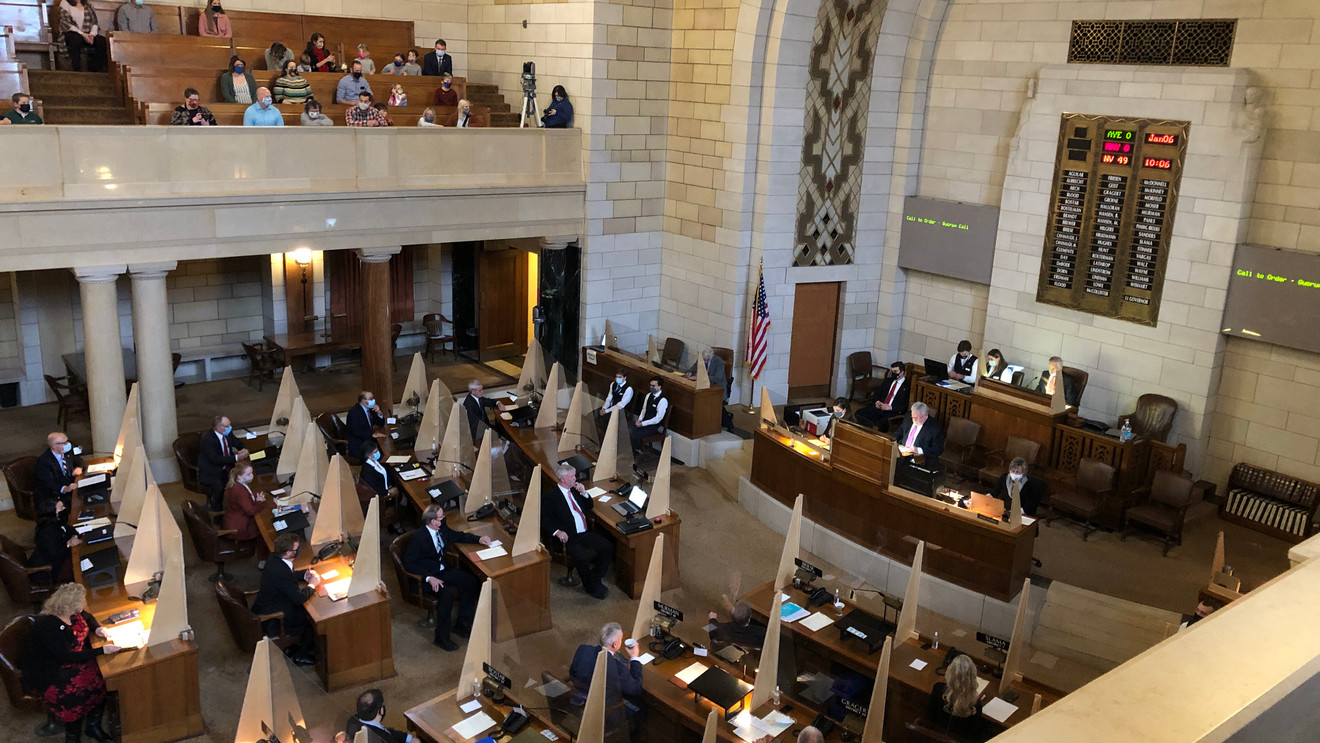
Image courtesy Nebraska.TV
Contacting a representative is easy – all you have to do is follow through.
Some state representatives represent the full state, while others represent fewer people than a member of the Lincoln City Council – either way, they need to know what you’re thinking to truly represent you.
Benefits
Free
It doesn’t cost anything to email the governor, or call the office of a state senator.
Easy
You already know what you want to say – all you have to do is type it out or dial a number.
Impactful
Sometimes, all it takes is for a representative to hear from a few constituents for them to change their view on a particular idea.
More information
Methods of contacting a representative
There are a variety of methods of contacting a representative. The best method to use depends on your preferences, the position of the representative you’re reaching out to, the message you’re trying to deliver, etc. Some common methods of reaching out to elected representatives include the following:
- Phone: a phone call to a representative’s office, either leaving a voicemail or a message with a personal staffer (look online for representative’s office phone number)
- Email: an email to a representative’s professional account (look online for representative’s .gov email)
- Social media: direct messaging a representative on their position social media accounts (preference varies between representatives – some prefer other methods)
- Web contact form to a representative’s office (not available for all representatives, check online)
- Letter: a letter sent to a representative’s office, either handwritten or typed out (look online for representative’s office address)
- Office: stopping by a representative’s office during business hours to speak with the representative or leave a message with a staffer (some representatives prefer pre-scheduling a meeting; see below)
- Meet: best for state legislators, requesting to meet in-person with a state senator via phone, email, or a letter (see above)
Personal staffers
State level representatives – such as state legislators, Senators, and the Governor – all have a team of personal staffers that help them run the day-to-day operations of the position. Oftentimes, particularly for positions with large constituencies, one of the roles of these personal staffers is to receive, summarize, and relay messages from constituents to their representative.
Information to include
The information you want to include varies greatly, depending on the method of contacting and what you’re contacting a representative about. Some general information to keep in mind includes:
- The bill or policy in question
- Your stance on the bill or policy in question
- Why you have that stance
- How you would like them to act/vote
- Contact information for a reply (see below)
- Highlight if you’re a constituent
None of the above information is required, but is often the most helpful information for a representative to have. Why you have a particular stance can range from explaining your belief on the role of the government, to simply sharing a personal story on why you think a particular issue is important.
Your contact information
Because many state-level representatives are busy, you may not hear back after reaching out; this is something that varies heavily, depending on the representative. Providing explicit contact information – such as a return address for letters, or a callback number for calls – can help encourage the representative to reach out and address your concern directly to you.
Office-specific information
Though all of the above can be helpful information for reaching out to state-level representatives in general, there are also online resources for contacting representatives in particular offices; visit the links below to see more.
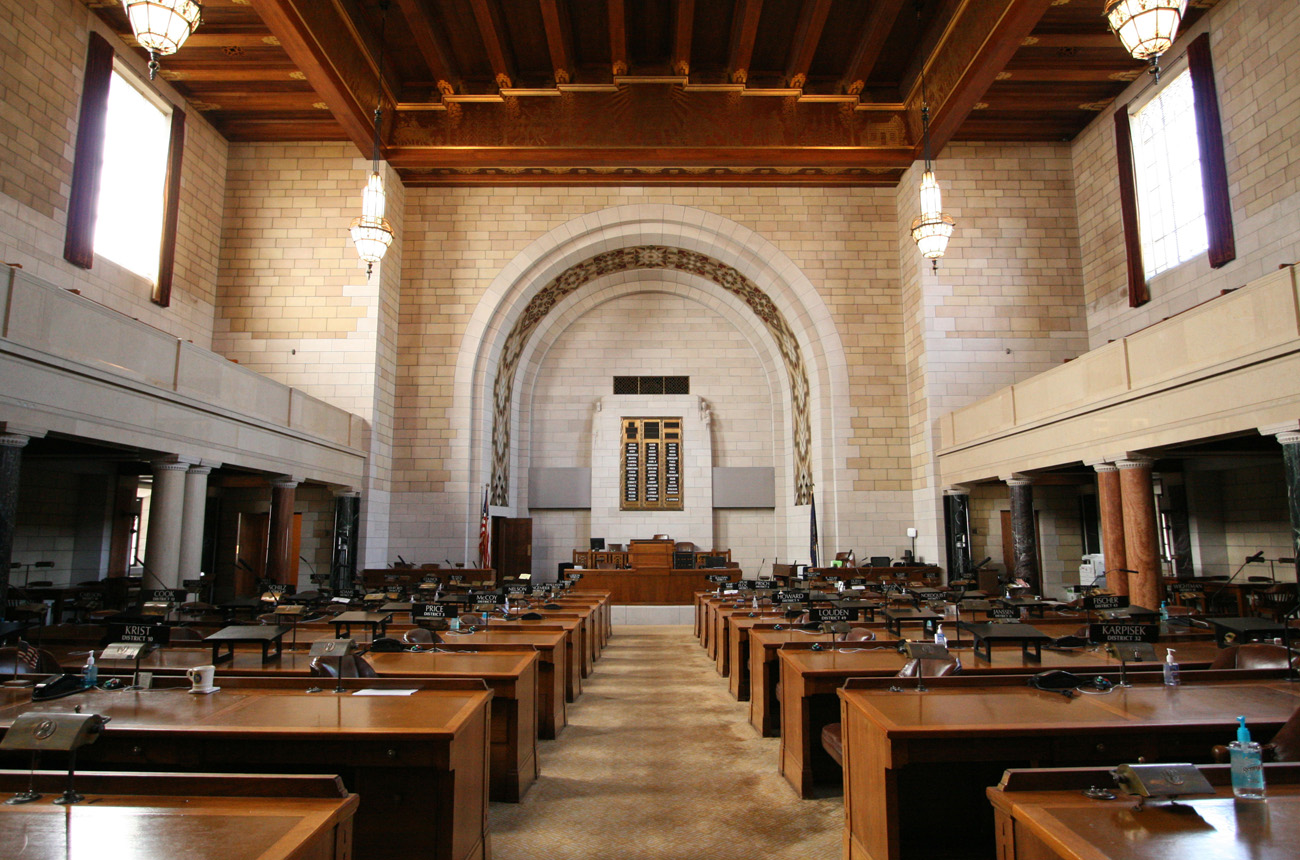
Find your representative and have your voice heard today.
Photo credit Nebraska Unicameral Information Office
 SustainLNK