Living local > Eating sustainably > Locally grown food > Growing your own food > Community gardens
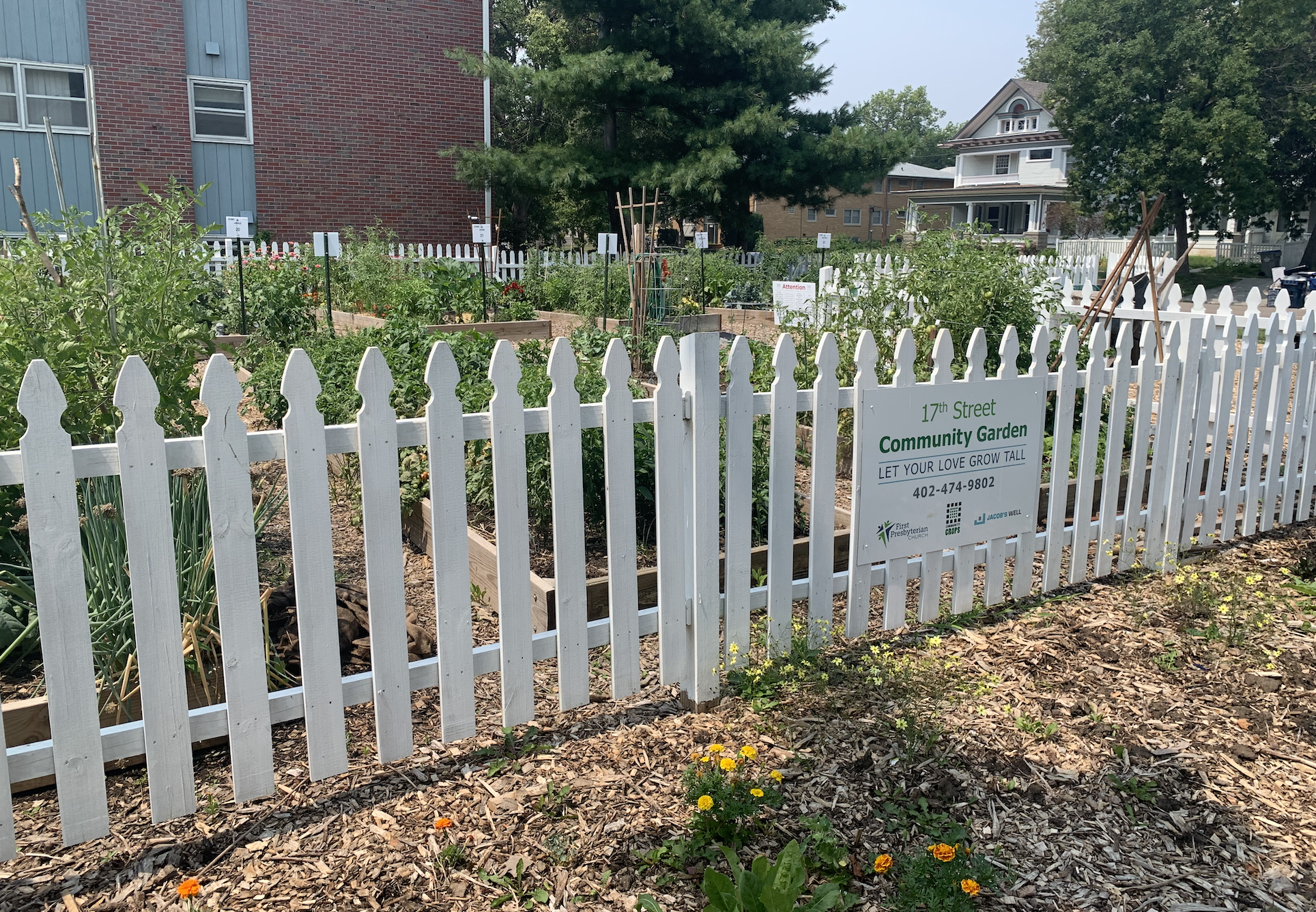
Don’t have space to garden? Don’t fret.
Community gardens provide land, resources, and education to those interested in growing their own food.
Benefits
Community
It’s right in the name – growing your own food amongst others doing the same is a great way to meet others, while also beautifying the community.
Affordable
Volunteering is free – for those looking to garden, plots of land are 10’x10′, and financial assistance is available for anyone who needs it. Plus, you won’t have to buy as much food!
Involved
It’s no secret that gardening for a year is a commitment: however, that is a benefit in itself, providing an involved and enjoyable activity that benefits yourself, the community, and the planet.
More information
Community Crops
Community Crops is the primary community garden nonprofit in Lincoln. They manage sites throughout the city, many in partnership with local businesses.
Volunteering
Your role as a volunteer can change greatly depending on your interests and skills. Many volunteers with Community Crops help maintain shared spaces around individual garden plots, while others help at a greenhouse or farm that is owned by the University of Nebraska – Lincoln. Learn more and sign up to volunteer at the link below!
Gardening
Getting started with gardening at Community Crops is simple: as simple as going to Community Crop’s website, and filling out their application! Land is ‘rented’ by the plot; each plot is 10’x10′, and the annual cost can be found at the link below. From there, the plot is yours for the year to maintain and grow, with resources and help available.
Growing Farmers program
Community Crops has a few different programs in place to help beginning, immigrant, and limited-resource farmers get started and gain traction with their own farming business. These programs help with both training and education, as well as land access; visit the link below to learn more.
Southern Heights Food Forest
Southern Heights Food Forest brings the “community” in “community garden” to the max: rather than their entire space being private individual plots, SHFF has created a biodiverse food forest that is nearly self-sustaining. Even better yet – the food forest is a public place that is open to all to be explored, worked on, and respectfully harvested from (just don’t pick from the private plots! they’re well labeled). Learn more about SHFF at the link below, and explore for yourself!
 SustainLNK